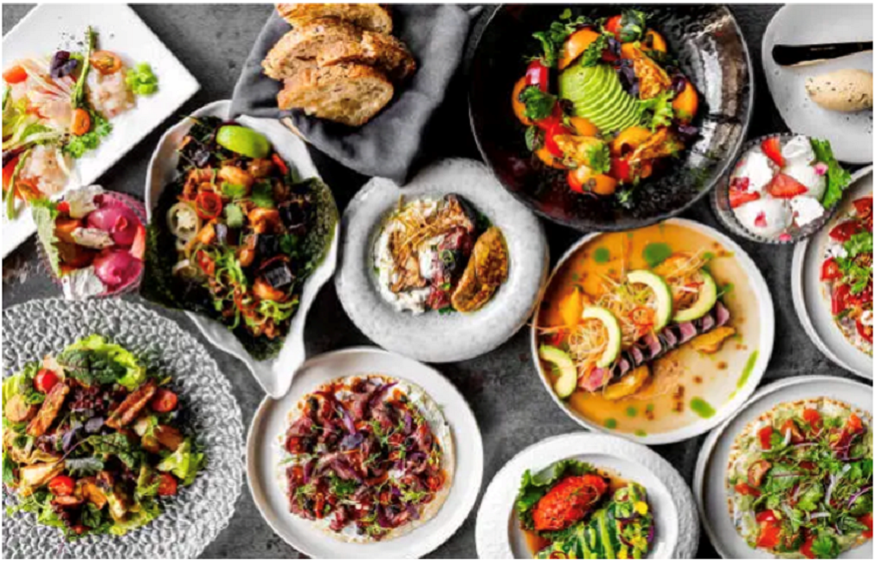
Have you ever stared at a restaurant menu so long you’ve stopped being hungry?
You start excited. Then you hit page three. Then page five. Then the “chef’s specials” insert. Suddenly you’re exhausted, mildly irritated, and thinking, I’ll just get chips.
That’s not you being indecisive. That’s your brain doing exactly what it was designed to do: avoid risk when the cost of choosing “wrong” feels high.
In 2026, this matters more than ever – because your prospects, clients, and stakeholders are living in a constant state of choice overload. More suppliers. More tabs open. More internal approvals. More noise. And now, more AI-generated “options” than anyone asked for.
So if you’re in sales, leadership, or client-facing influence, here’s the uncomfortable truth:
Your job isn’t to provide more options. Your job is to make the decision feel safe.
That’s why the best sales conversations are not information dumps. They’re decision design.
And it’s exactly why many organisations bring in sales keynote speakers like me – not to just to hype people up – actually they want help structuring choice so buyers can move forward.
The “choice problem” hasn’t gone away – it’s intensified
The persuasion research has been warning us for years: too few options can feel controlling, too many options can create overwhelm and overwhelm often produces the same outcome as rejection.
Back in the early 2000s, Sheena Iyengar and colleagues demonstrated this effect in studies that are still widely referenced today – showing that as the number of choices increases, follow-through can drop because the decision feels riskier and more complex.
Fast forward to 2026 and the same dynamic is playing out everywhere:
- in SaaS proposals with 14 add-ons
- in insurance policies with endless inclusions/exclusions
- in real estate campaigns with multiple pathways, packages, and vendors
- in banking products with rates, bundles, tiers, and “special conditions”
- in professional services proposals that read like a novel
What happens when you present a buyer with too many paths?
They pause. They delay. They “think about it.” They take it to committee. They ghost.
Not because they don’t want the outcome – because the decision feels unsafe.
Sometimes lots of options does work (but only if you change the experience)
There are businesses that win by offering wild variety. But notice what they do differently: they make the choice a journey.
La Casa Gelato in Vancouver became famous for an enormous range of flavours, even claiming a Guinness World Record in 2019 for “Most Commercially Available Flavours!” The key isn’t the number of flavours. It’s the sampling ritual – the try-before-you-buy experience that reduces risk and turns choosing into entertainment.
That’s the lesson for 2026: if you want to offer a wide range of options, you must also offer a way to test, trial, demo, compare, or experience – so the buyer doesn’t feel like they’re gambling.
In sales terms, that might look like:
- a pilot
- a proof of concept
- a diagnostic / assessment
- a staged rollout
- a “good / better / best” comparison chart
- a risk-reversal promise
- a clear recommendation (more on that in a moment)
So you need your people to not just talk about confidence – they need to know how to reduce buyer friction without discounting the price!
The 2026 rule: give choice, don’t outsource the thinking!
Here’s what top performers do that average performers don’t:
They offer freedom, but they lead the decision.That’s the sweet spot. Because while buyers want autonomy, they also want guidance. In 2026, people don’t want “more choice.” They want less cognitive load.
If you want a simple, high-converting structure, use this three-step approach:
1) Start by creating a small pool of genuinely appealing options
This is crucial: it’s not persuasion if the options aren’t attractive. If your choices are “do what I want” or “do what I want later,” that isn’t influence – it’s pressure.
Make sure each option has a real upside for them.
2) Narrow it to 3 or 4 options (max)
Three is often the magic number: enough freedom, not enough overwhelm. Four can work if the buyer is analytical and you structure it clearly. Beyond that, you’re back in crazy menu territory!
3) Present the options with “or” and a recommendation
The word “or” matters. It signals choice. Then add the thing most salespeople skip: leadership.
Try this pattern:
- “Based on what you’ve told me, I recommend Option B. We can do Option A if speed matters most, or Option C if you want the full capability from day one.”
This achieves two powerful outcomes:
- they feel respected (they have choice)
- they feel safe (you’re guiding them)
That combination is persuasion gold.
Why this is a leadership skill, not just a sales skill
Decision design isn’t only for sales. Leaders do it every day:
- prioritising projects
- choosing vendors
- setting team direction
- managing stakeholders
- asking for budget and headcount
That’s why the most effective organisations don’t separate “sales influence” from “leadership communication.” They build both. They bring in a leadership speaker who can lift executive clarity and also strengthen the commercial conversations that create growth.
And if you’re in NSW, it’s exactly why there’s consistent demand for a sales speaker in Sydney who can uplift and skill your people in practical persuasion – without turning your team into scripted robots.
Your takeaway for 2026
If you want more yeses (and fewer delays), stop giving people a buffet and start giving them a pathway. Remember,
- Choice without guidance feels risky.
- Guidance without choice feels controlling.
- Choice + guidance feels like leadership.
If you want your leaders and sellers to master this (and make it feel natural, not pushy), explore topics and sessions here: best leadership keynote speakers Sydney and practical programs delivered by a proven sales speaker and leadership speaker.
Because in 2026, the winner isn’t the business with the most options.
It’s the one that makes choosing feel easy.
Happy persuading!
Who is Michelle Bowden?
Michelle is the number one speaker on persuasion at work, the creator of the Persuasion Smart Profile® (a world-first psychological assessment tool that reports on your persuasive strengths and weaknesses at work), the best-selling author of How to Persuade: the skills you need to get what you want (Wiley). And she’s also a multi-million-dollar pitch coach to her client list that reads like a who’s who of international business: banking and finance, IT, pharmaceutical, retail, telecommunications plus many more.